
PRODUCT DEVELOPMENT
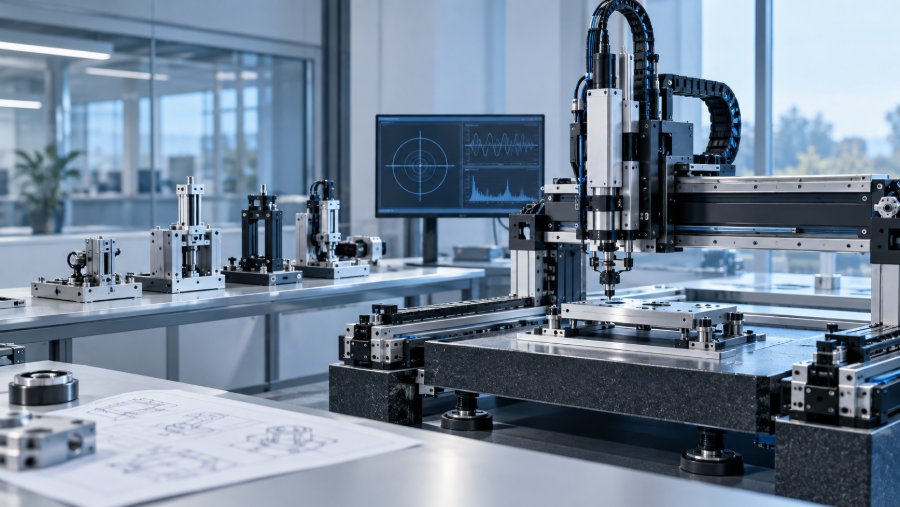
Industrial machine with new positioning accuracy
A bottleneck in vibration damping at higher speeds; a development process involving multiple prototypes.
WBSO specialist for technical innovation
More than 20 years of experience with WBSO for product development, production processes, software and technical-scientific research. From initial assessment and application through administration, realisation reporting and RVO audit.
Or call Peter Klaren directly — +31 33 453 08 18

Peter Klaren
FISCAL ECONOMIST · WBSO SPECIALIST
WBSO is intended for development work in which your own organisation resolves a technical bottleneck that is new to the business. These are four situations in which that often applies; whether your project qualifies depends on the actual work performed. Both companies with employees and self-employed professionals with their own development work are eligible.
Physical products, components and machines whose technical operation is uncertain in advance.
Example: a battery system whose thermal behaviour during fast charging cannot be controlled using existing cooling concepts.
WBSO for product development →Production processes that must achieve a new capacity, tolerance or sustainability requirement.
Example: an extrusion line in which the melt viscosity of a bio-based material becomes unstable at higher throughput.
WBSO for process development →Software in which you must resolve software-engineering uncertainties that cannot be circumvented using existing components.
Example: a matching algorithm that must continue to meet a strict response-time requirement while processing ten times as many combinations.
WBSO for software →Explanatory research into a technical phenomenon, carried out using a systematic approach.
Example: research into crystallisation behaviour in a coating for which no existing model describes how the process develops.
WBSO for research →WBSO CHECK IN FIVE QUESTIONS
QUICK-SCAN RESULT
Answer all five questions to receive an initial indication.
This is only an initial indication. Whether your activities qualify depends on the specific technical work; the Netherlands Enterprise Agency (RVO) ultimately assesses the application.
UPDATED: OCTOBER 2026 · SOURCE: RVO
Applying for WBSO for 2027?
The application window for WBSO starting in 2026 has closed. WBSO is a Dutch R&D tax incentive for businesses subject to Dutch tax that carry out their R&D in the Netherlands. Employers wishing to claim WBSO from 1 January 2027 must submit their application by 20 December 2026. Start preparing well in advance.
New for 2027: the fixed S&O hourly rate increases from €29 to €33. The WBSO percentages remain unchanged. In addition, changes have been announced concerning, among other things, prototypes and the application procedure.
View all WBSO changes for 2027 →36%
First bracket — WBSO wages, costs and expenditures
50%
Start-ups in the first bracket
€391,020
First-bracket threshold
16%
Above the first bracket
€33
Fixed S&O hourly rate for 2027 (up from €29 in 2026) — all 2027 changes
What does that mean for your own hours and costs?
Go to the WBSO calculatorNEWS · VERIFIED AND UP TO DATE
WBSO 2027 · 3 OCTOBER 2026
Fixed hourly rate set to rise from €29 to €33
The first increase since 2008. Particularly relevant for first-time applicants and recently established businesses without a calculated historical R&D hourly rate.
Read more →
DEADLINE · 3 OCTOBER 2026
Starting on 1 January? Deadline: 20 December 2026
Companies with staff are subject to a special early filing deadline — and in 2026 it falls on a Sunday.
Read more →
AI & SOFTWARE · 3 OCTOBER 2026
WBSO expansion for AI and software announced
What do we know already — and what remains unclear? What currently applies to AI, machine learning, LLMs and software development.
Read more →
UPDATED 3 OCTOBER 2026 · SOURCE RVO
Klaren supports the process from technical intake through application and follow-up. The engagement confirmation specifies the fixed and result-dependent fee components.
View the full process →Are you carrying out your own development work involving a technical bottleneck? A twenty-minute discussion provides direction.
Which work is development, and which work is application, procurement or roll-out?
For each project, establish where it is uncertain in advance whether the technical objective can be achieved, and why standard technology is insufficient.
Project description, estimated hours and the choice between the hourly costs-and-expenditures allowance and actual costs — submitted before the work starts.
Responding to any additional RVO questions and reviewing the issued R&D declaration (S&O-verklaring).
Setting up hours registration and project records that align with the application and with leave and sickness records.
After the calendar year, reporting the hours and costs actually realised.
Advance file review, refinement where necessary and attendance at the audit meeting.
A bottleneck in vibration damping at higher speeds; a development process involving multiple prototypes.

A clear distinction between qualifying algorithm development and non-qualifying front-end development.
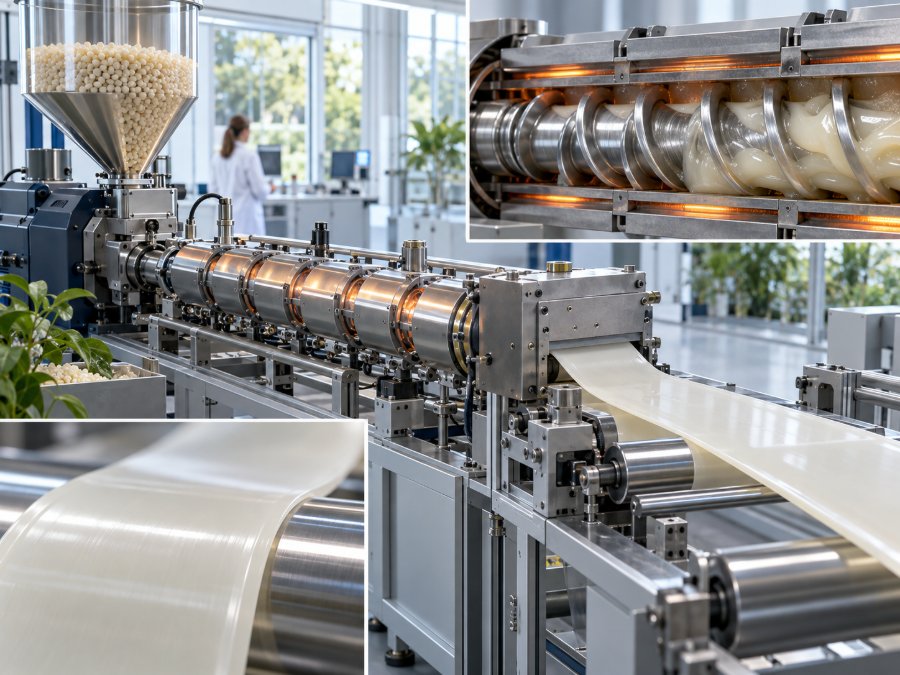
Existing material, new process: melt viscosity became unstable at higher throughput. The temperature profile and screw geometry were developed until the line became stable.
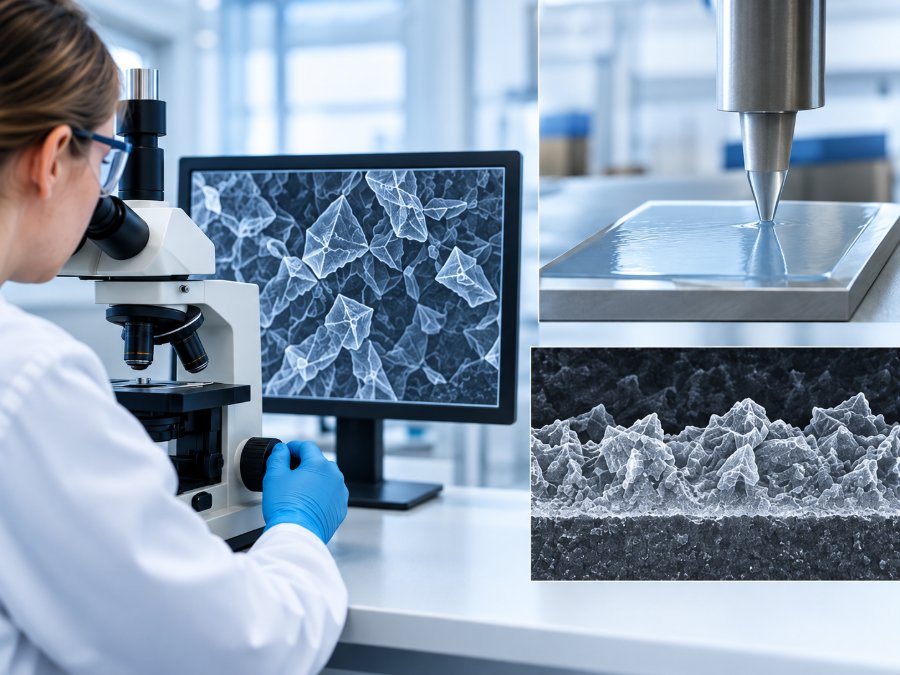
Systematic research to explain unexpected layer formation. A practical application objective does not exclude technical-scientific research; the determining factor is whether the research itself is explanatory.

Peter Klaren — WBSO specialist
Peter Klaren is a fiscal economist and WBSO specialist since 2004, with broad technical understanding and extensive experience with WBSO applications for software, physical products and production processes. No rotating junior consultant: one senior specialist who understands your technology and knows your file.
More information is available on the main WBSO page.
All about WBSO →No. Work carried out before the application period does not qualify. For employers subject to Dutch payroll tax withholding, the period starts on the first day of the month after submission; for self-employed professionals, it starts on the date of submission. You can still enter the scheme during the year, but waiting means losing potential benefit.
Yes. An R&D declaration (S&O-verklaring) can form the basis for applying the innovation box to self-developed qualifying intangible assets; additional conditions apply depending on the size of the company. Profit from the developed technology may then be taxed at a reduced effective rate.
RVO asks additional questions when it needs more information to assess the application. The response should be technically complete and consistent with the original application; Peter prepares the response and, where necessary, the objection.
No. Only the hours worked by your own staff count; outsourced research and the costs of hired development labour are excluded. Subject to conditions, costs of having a prototype built may qualify as costs and expenditures if the prototype has no potential productive or commercial significance.
The engagement confirmation specifies the fixed and result-dependent fee components, so the commercial arrangements are clear in advance.
Is your innovation now generating profit? The innovation box (Innovatiebox) may be the next step: an effective 9% corporate income tax rate on qualifying innovation profit.
View the innovation box →A twenty-minute conversation provides an initial assessment — personally with Peter Klaren.